Personalized online experiences have become a staple of e-commerce success, making customers feel understood and valued. However, personalization can sometimes backfire when it repeatedly shows the same products or categories to users, causing boredom, frustration, or even the dreaded “filter bubble” effect. This phenomenon not only stifles discovery variety but also limits recommendation diversity — ultimately harming conversion and brand loyalty.
In this article, we’ll explore why personalization sometimes falls into a repetitive loop, what leading companies and research say about breaking out of this trap, and how to design smarter personalization approaches for variety and choice. We’ll naturally mention examples from companies like MrQ, insights from the Harvard Business Review, and resources from CookieDatabase, as well as practical knowledge about EU cookie regulations and consent managers that affect personalization choices.
Understanding the Problem: Why Does Personalization Show the Same Things?
At first glance, the most straightforward personalization approach is to recommend exactly what a user has searched for, browsed, or purchased before. But this can quickly resemble a “one-trick pony,” where users see the same handful of suggestions repeatedly. This happens because personalization engines often rely on narrow data sets or https://highstylife.com/why-do-shoppers-bounce-when-i-add-more-products-to-my-site/ simplistic heuristics using internal taxonomies or rigid tagging systems.

Let’s break down the core issues:
- Filter Bubble Effects: When algorithms only recommend similar content based on historic user behavior, it narrows the scope of exploration — trapping the user in familiar territory. Inventory is Not the Experience: Having thousands of products isn’t the same as delivering a meaningful and engaging browsing journey. Users don’t just want more items; they want relevant and refreshing options. Customer Mental Models vs Internal Taxonomies: The way companies categorize items internally doesn’t always match how customers think or shop — leading to recommendations that feel off or repetitive. Choice Overload Causes Decision Friction: Offering too many similar options can overwhelm users, making decision-making harder and slowing conversions.
Learning from Real Companies: How MrQ Elevates User Experience Beyond Repetition
MrQ, a leading online gaming and bingo platform, offers a brilliant case study in personalized experience design that avoids repetition drift. Instead of simply showing the same games or offers based on prior interactions, MrQ continuously adjusts recommendations by considering player patterns but also emphasizing variety and novelty.
Key tactics from MrQ include:
- Segmenting players by preferences and mixing in new, trending, or highly rated options curated based on wider user behavior. Updating personalized displays regularly to incorporate limited-time events or new game releases, ensuring fresh discovery. Balancing familiar and unfamiliar options to break filter bubbles while maintaining relevance.
Such strategic personalization shows that avoiding repetition requires data-driven but creatively flexible approaches aligned with user engagement goals.
Why Customer Mental Models Beat Internal Taxonomies Every Time
One key theme emphasized by user experience experts—such as those referenced by the Harvard Business Review—is that customers rarely think in terms of company-defined taxonomies.
For example, an online shoe store may internally classify by “Men’s Running Shoes,” “Men’s Casual Sneakers,” and “Men’s Hiking Boots.” But customers might think instead in terms of “Shoes for Weekend Trips” or “Comfortable Work Shoes.” When personalization algorithms rigidly rely on compartmentalized internal categories, they risk missing the mental models customers use to explore and decide.
How to Align Personalization to Customer Mental Models
Conduct User Research: Interview or survey users to understand how they describe their needs and classify products. Create Faceted Navigation Based on User Language: Use filters, tags, and categories that match customer vocabulary, not only internal labels. Allow Multi-Dimensional Browsing: Enable users to combine attributes (e.g., style + occasion + price) to find diverse options relevant to their context.Incorporating customer mental models helps personalization engines recommend alternatives that feel intuitive and fresh, instead of stuck on narrow, repetitive loops.
Addressing Choice Overload: Why More Isn’t Always Better
Presenting a vast catalog without careful curation can overwhelm users. Although it may seem counterintuitive, too many options cause decision friction, lower satisfaction, and can decrease conversion rates. This is well documented by findings published in sources like Harvard Business Review.
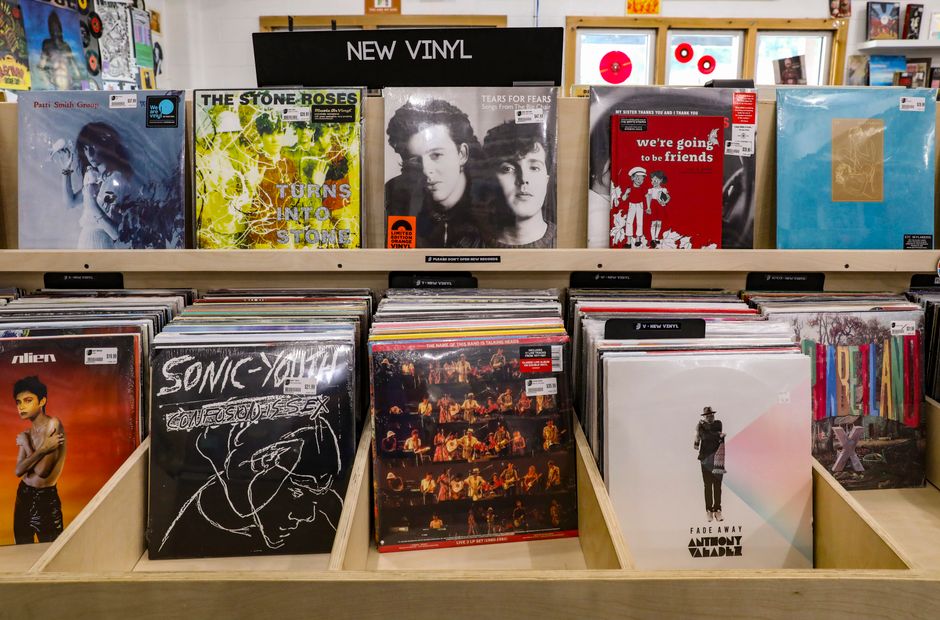
From a UX perspective, it makes sense to offer choice architecture that simplifies selections without diminishing variety. Here’s how:
- Use Curated Sections: Collections like “Top picks for you,” “Trending now,” or “Editor’s choice” guide users to quality starting points that avoid overwhelming them. Limit Initial Choices: Display only a handful of highly relevant options upfront, with “See more” to expand as needed. Help Users Narrow Down: Implement intuitive filtering and sorting tools that respect customer mental models, enabling tailored discovery without overload.
This approach optimizes a balance between discovery variety and decision ease — an essential ingredient for keeping personalization fresh without frustrating users.
The Role of Cookie Consent Managers and EU Cookie Policies in Shaping Personalization
For retailers operating in or targeting customers in the European Union, compliance with cookie consent regulations is integral to how personalization works. The EU’s cookie policy page references and regulations require websites to provide clear information about data collection and offer users control through cookie consent manager UI components.
These components typically include options such as:
- Manage Options: Allow users to accept or decline different categories of cookies (e.g., functional, analytics, advertising). Manage Services: A list of third-party vendors involved in cookies and trackers. Vendor Count: Display how many vendors/processors the website uses, building transparency.
Resources like CookieDatabase help e-commerce businesses identify vendors and align with compliance.
Why is this important for personalization? Cookie consents directly affect what user data is accessible for crafting personalized experiences. A user declining advertising cookies may restrict recommendation engine data, requiring fallback strategies.
Therefore, personalization must be designed to be both flexible and privacy-respectful, accommodating different consent states and still delivering meaningful recommendation diversity.
Summary: 5 Actionable Strategies to Keep Personalization From Repeating Itself
Strategy Description Key Benefit 1. Embrace Customer Mental Models Research and use customer language and mental models rather than company taxonomies for filtering and categorization. Recommendations resonate better with how customers think, reducing repetitive mismatches. 2. Use Curated Sections as Starting Points Create editor or algorithmically curated collections like “Top Picks,” limited selections, and trending items. Reduces choice overload and gently guides discovery for richer experiences. 3. Update Recommendations Dynamically Refresh personalized suggestions based on recent trends, new products, or complementary categories. Keeps discovery variety alive and avoids stagnation. 4. Respect and Incorporate User Cookie Consent Design personalization adapting to different consent settings and communicate transparently about data use. Builds trust and ensures compliance without sacrificing recommendation diversity. 5. Monitor and Mitigate Filter Bubble Effects Introduce diverse and exploratory recommendations beyond narrow historic preferences. Prevents users from being trapped in repetitive loops, broadening their engagement.Concluding Thoughts
https://technivorz.com/what-is-the-best-way-to-show-recently-viewed-on-mobile/While personalization remains a powerful tool in e-commerce, its true value shines when it evolves beyond simply echoing past user behavior. By acknowledging the distinction between inventory and experience, leveraging customer mental models, managing choice overload, and respecting users’ privacy consent choices, brands can combat repetition and filter bubbles.
Companies like MrQ demonstrate how a thoughtful balance of curated variety and data-driven tailoring delivers excitement and satisfaction. Insights and best practices inspired by Harvard Business Review research and regulatory resources like CookieDatabase show that personalization diversity and discovery variety are not just goals but necessities in today’s competitive e-commerce landscape.
By implementing these strategies, you can successfully prevent your personalization from showing the same things over and over — empowering your users to explore, choose, and convert with confidence.